
What Is Niacinamide? A Simple Guide for Everyday Skincare
-
 Za Pharma Team
 - Posted on
- 2 comments

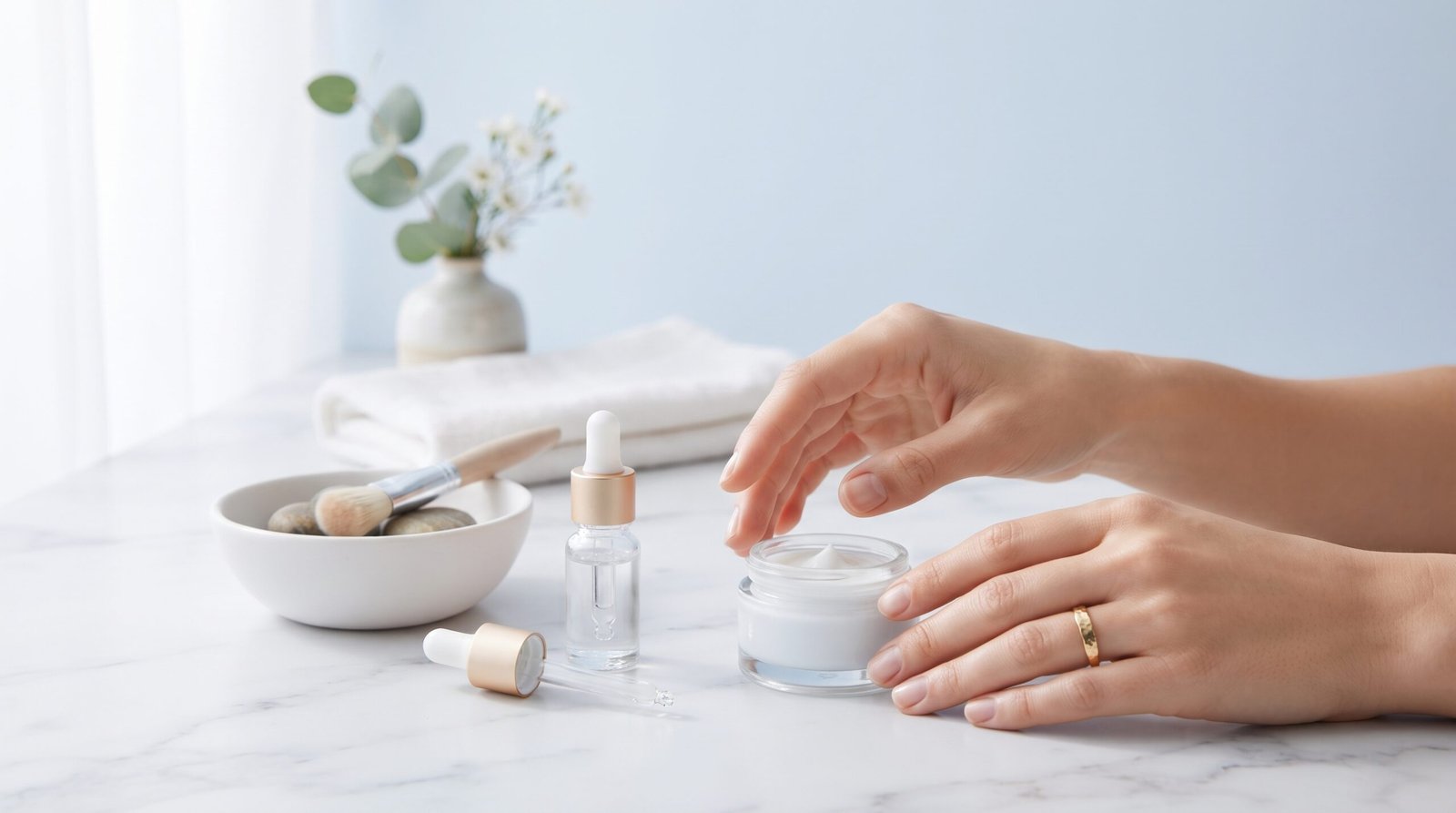
If you have ever turned over a face wash or serum to read the ingredients, there is a good chance you spotted “niacinamide” somewhere in the list. It is one of the most common ingredients in skincare right now, and also one of the most misunderstood. Some people expect it to change their skin in a week. Others avoid it because a friend said it made them break out.
This guide keeps things simple. We will go through what niacinamide is, why brands use it, how to add it to your routine, and the mistakes worth avoiding.
So, what exactly is niacinamide?
Niacinamide is a form of vitamin B3. In skincare it is used on the surface of the skin, in cleansers, serums and moisturisers. It dissolves easily in water, which is why it fits into so many different products.
It is also fairly gentle compared with some of the stronger ingredients people talk about online. That is a big reason it shows up so often in beginner routines.
Why do brands add it to products?
It works well alongside other ingredients and does not need a complicated routine. You will usually find it in products made for dull-looking skin, uneven tone and skin that gets oily during the day.
Everyone’s skin reacts differently, so treat those as common reasons for using it, not promises. And if a product is going to suit you, the change is usually gradual. Think weeks of regular use, not days.
Who can use it?
Most people get on well with niacinamide, including many with oily or combination skin. If your skin is very sensitive, if you have a skin condition, or if you are pregnant or breastfeeding, talk to a dermatologist before adding anything new. A doctor who has actually seen your skin will always give better advice than an article.
How to add it to your routine
Go slowly. Bring in one new product at a time and give it a couple of weeks before you decide whether it works for you.
Patch test first. Put a small amount on the inside of your arm or just below your ear and wait a day. If you get redness, burning or itching, stop using it.
A face wash is an easy way to start, because a cleanser only stays on your skin for a short time. Wet your face, massage a small amount in for about 30 seconds, then rinse with lukewarm water. Follow with a moisturiser, and in the morning, sunscreen.
How long does it take to notice a difference?
Honestly, it depends on you. Skin renews itself over several weeks, so most people need a month or two of steady use before they can say anything meaningful. If you stop and start every few days, it is hard to tell what is working.
A simple trick: take a clear photo in the same light on day one, and another after four weeks. Your memory is not as reliable as a photo.
Reading the label
When you pick up a product, look at where niacinamide sits in the ingredient list. Ingredients are listed from the highest amount to the lowest, so something near the top is present in a larger amount than something at the very end.
Also look at what else is in the formula. A gentle cleanser with a few well-known ingredients is easier to judge than one with thirty items on the label. If you have had a reaction to a product before, keep that old label and compare it with new ones.
Mistakes to avoid
The biggest one is starting several new products at once. If your skin reacts, you will have no idea which one caused it.
The second is expecting overnight results. Skincare rewards patience, and a product that seems to do nothing in three days has not failed yet.
The third is skipping sunscreen. Whatever you put on your skin, sun protection matters, especially through Pakistan’s long summers.
Common myths about niacinamide
“It works overnight.” It does not. Anything that promises a dramatic change in one night should make you a little suspicious. Skin changes slowly, and a good product earns its place over weeks.
“More is always better.” A higher number on the label does not automatically mean a better product. If a formula is too strong for your skin, you may end up with redness or a stinging feeling, which is the opposite of what you wanted.
“It will make me break out.” Some people do notice irritation, and everyone’s skin is different. That is exactly why a patch test and a slow start are worth the effort. If you break out, stop and see how your skin settles.
Building a simple routine around it
You do not need ten steps. A cleanser, a moisturiser and sunscreen in the morning is a perfectly good routine. If your cleanser already contains niacinamide, you may not need another product with it.
Keep notes if it helps: what you started, on which day, and how your skin felt. Two weeks later, those notes make it much easier to decide whether to keep going.
And if you want to see how this fits into a daily wash, our guide on how to wash your face the right way walks through it step by step.
Where you will find niacinamide in our range
Our Zen Skin Brightening Face Wash contains niacinamide along with licorice extract and aloe vera. It is a gentle daily cleanser. If you want to try it, have a look at the Zen Skin product page. Not sure if it suits your skin? Message us on WhatsApp and we will help you out.
Quick answers
Can I use niacinamide every day? Many people do. Start with once a day and see how your skin feels.
Is it good for oily skin? It is commonly used in products made for oily-looking skin, but results vary from person to person.
Can I use it with vitamin C? Plenty of routines include both. If your skin gets irritated, try using them at different times of the day.
If you remember one thing, make it this: be patient, patch test, and keep your routine simple.
This article is general information, not medical advice.




2 Comments